The Rising Brain Rot Among Indian Youth: A Social Media Epidemic
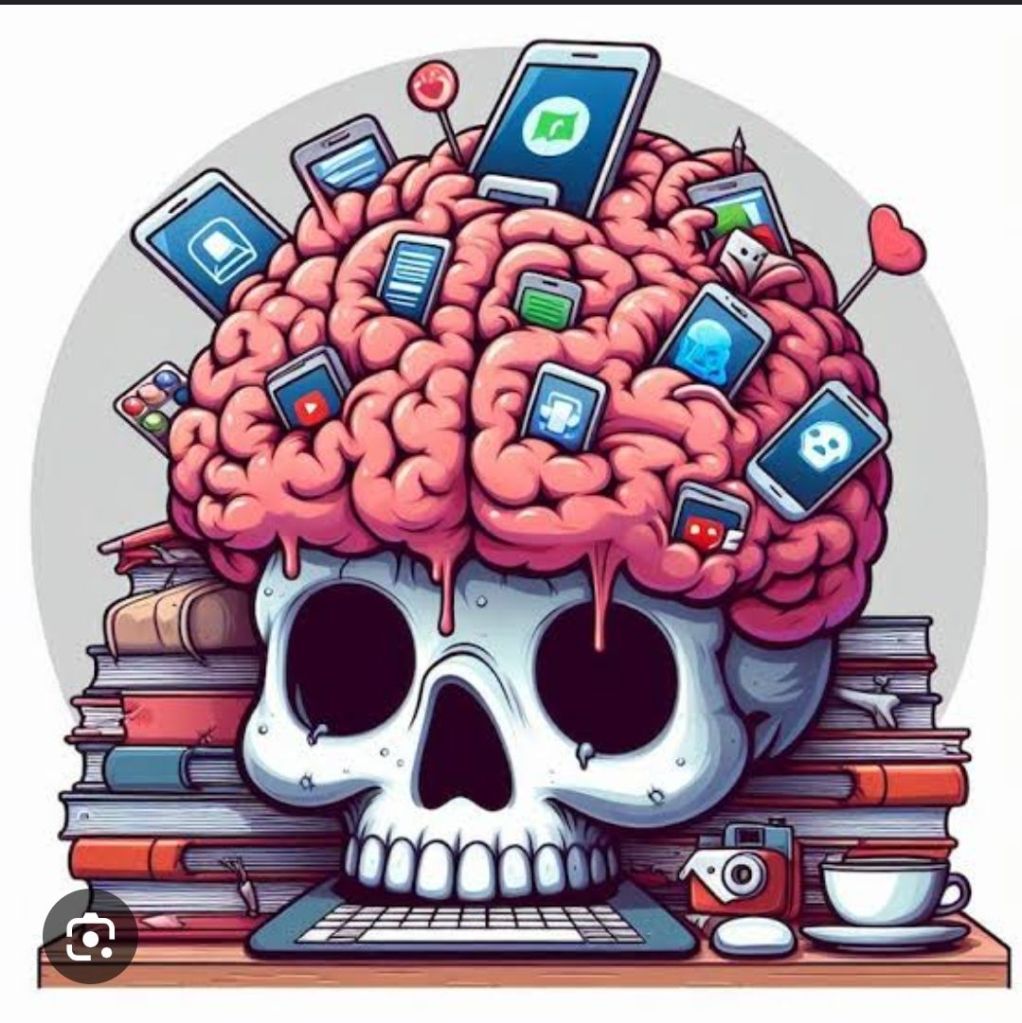
In the digital age, social media has become an integral part of our lives, connecting us with the world at the tap of a finger. However, this ubiquitous tool is also fostering a concerning trend among India’s youth—what many call “brain rot.” The term refers to the mental stagnation and cognitive decline resulting from excessive social media consumption.
Understanding Brain Rot
Brain rot isn’t a medical condition but a cultural phenomenon where young minds lose productivity, creativity, and critical thinking abilities. It’s characterized by:
1. Reduced Attention Spans: Constant scrolling fosters an addiction to bite-sized, dopamine-inducing content, making it harder to focus on in-depth activities like reading or studying.
2. Lack of Original Thought: Overconsumption of trends, reels, and memes reduces individual creativity. Many begin to think, act, and express themselves based on the latest trend, eroding unique ideas.
3. Mental Fatigue: Endless scrolling without purpose can mentally exhaust young people, leaving them unable to engage in meaningful tasks.
How Social Media Contributes
1. Algorithms That Trap: Platforms like Instagram, TikTok, and YouTube use algorithms designed to keep users hooked, leading to hours of unproductive time.
2. Unrealistic Comparisons: Influencer culture creates unrealistic standards of beauty, wealth, and success, harming self-esteem and fostering anxiety.
3. Echo Chambers: Social media often shows us what we want to see, reinforcing biases and limiting exposure to diverse perspectives.
4. Overstimulation: With notifications, likes, and endless content, social media overstimulates the brain, reducing its capacity for deep thinking and learning.
The Indian Context
India, with its vast youth population, is particularly vulnerable. A report by Statista revealed that Indians spend an average of 2.36 hours daily on social media. For many young Indians, these platforms aren’t just tools but lifelines to entertainment, validation, and escape.
In urban centers, where life is fast-paced and competitive, social media becomes a coping mechanism. In rural areas, it serves as an entry point to a world previously inaccessible. While this democratization of information is valuable, its misuse is leading to a generation more engrossed in virtual validation than real-world achievements.
Consequences of Brain Rot
1. Academic Decline: Students are losing interest in studies, prioritizing social media over academic growth.
2. Emotional Struggles: High social media usage is linked to increased anxiety, depression, and loneliness.
3. Weakened Interpersonal Skills: Real-life communication suffers as young people prefer texting over face-to-face interactions.
4. Decreased Physical Activity: Sedentary lifestyles driven by endless scrolling contribute to health problems like obesity.
How to Combat Brain Rot
1. Set Screen Time Limits: Apps and phone settings can monitor and restrict time spent on social media.
2. Cultivate Hobbies: Encouraging youth to take up creative and physical activities can balance their mental and physical well-being.
3. Mindful Consumption: Educate young people about the impact of social media and promote responsible usage.
4. Digital Detox: Regular breaks from screens can refresh the mind and foster better focus.
5. Parental and Educational Guidance: Schools and parents must lead by example and teach the importance of offline activities.
Conclusion
Social media isn’t inherently bad; it’s a tool that can either build or break a generation. For Indian youth, the key lies in finding balance—leveraging these platforms for learning and connection while avoiding the pitfalls of overuse. By addressing this growing issue today, we can ensure that the youth of India remain a vibrant, innovative, and productive force in the future.
 PRATHAM